

Receiving an autism diagnosis for your child can bring a whirlwind of emotions. Amid the paperwork, doctor recommendations, and late-night research sessions, one phrase may come up often: Early Intervention.
Let’s break down what early intervention actually means, why it works so well, and how specialized programs like those at Centria Autism can make a difference for your family.
What Exactly is Early Intervention?
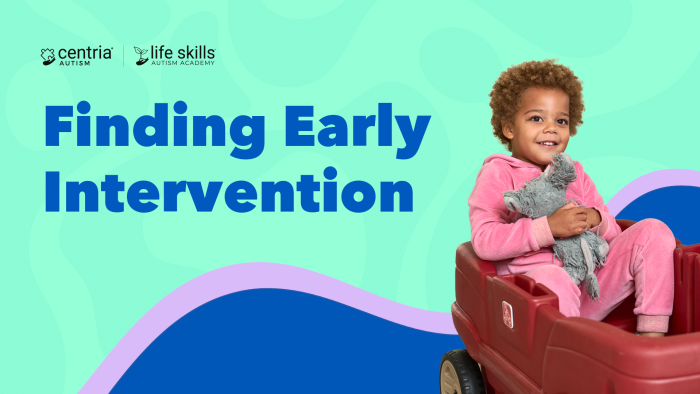
In the context of autism and ABA therapy, early intervention refers to beginning structured, evidence-based therapy during a child’s most critical developmental years, typically between the ages of 1 and 5.
Rather than waiting until a child reaches school age to address behavioral, social, or communicative challenges, early intervention meets children right where they are as toddlers.
The focus isn’t on changing who the child is; it’s about providing them with a foundational “toolkit” of skills before they step into a traditional classroom. For many families, this journey begins by identifying subtle early signs of autism during toddlerhood.
The Science of the “Neuroplasticity Window”
Why is the age range of 1 to 5 so critical? It all comes down to neuroplasticity: the brain’s ability to adapt, change, and build new neural pathways.
During the first few years of life, a child’s brain is growing at a rapid pace and is incredibly flexible. It absorbs language, behavioral habits, and social cues like a sponge.
By introducing ABA therapy during this window, early intervention leverages this natural brain plasticity, making it much easier for a child to learn fundamental developmental milestones and replace challenging behavior patterns with more effective, productive ways of communicating, learning, and interacting with others .
What Does Early Intervention Focus On?
For a toddler, learning is play. An effective early intervention program focuses heavily on embedding critical developmental milestones into fun, engaging, and natural play-based activities.
Programs typically focus on five core pillars:
- Functional Communication: Teaching the child how to express their wants and needs (whether through spoken words, gestures, pictures, or communication devices)
- Social & Play Skills: Learning how to make eye contact, share toys, take turns, and engage in cooperative play with peers
- Self-Care & Daily Living: Building age-appropriate independence in tasks like potty training, using utensils, and getting dressed
- Emotional Regulation: Helping young children understand their big feelings and navigate transitions smoothly without experiencing overwhelming meltdowns
- Learning Readiness: Teaching foundational learning behaviors like sitting during a group activity, following simple instructions, and focusing on a task
Bringing it All Together: Centria Autism Programs
If you are looking for a team to help walk your family through this crucial chapter, Centria Autism is one of the nation’s leading providers specializing in early intervention ABA therapy.
What sets Centria apart is their deeply compassionate, assent-based approach. This means their therapists focus entirely on ensuring your child is in a place of safety, happiness, and joy before any learning happens. They respect your child’s signals, using positive reinforcement to make therapy feel like an empowering, uplifting experience rather than a strict chore.
You can learn more about how these individual milestones translate to long-term success in Centria’s guide on what ABA therapy outcomes really mean for your child.
Centria meets families where they are by offering flexible service models across the country:
If you suspect your child is experiencing developmental delays or you’ve recently received an autism diagnosis, take a moment to read Centria’s comprehensive guide on understanding your child’s autism diagnosis or reach out to our team directly to explore how early intervention can impact your child’s future.