
Parenting often involves making constant choices that will impact children’s lives. Choosing an early path in shaping your child’s future can feel like a daunting and overwhelming task.
Therefore, it is crucial at the onset of researching the best option for your child between ABA therapy and preschool to understand the key differences. Doing so will assist in making a well-informed decision to ensure your child thrives.
What is ABA (Applied Behavior Analysis) Therapy?
ABA Therapy is a highly structured, individualized form of therapy that uses the principles of behavior to help your child learn important social skills and generally improves their overall quality of life. This therapy uses information (data) to teach your child necessary, useful skills and to help stop any difficult or unsafe behaviors.
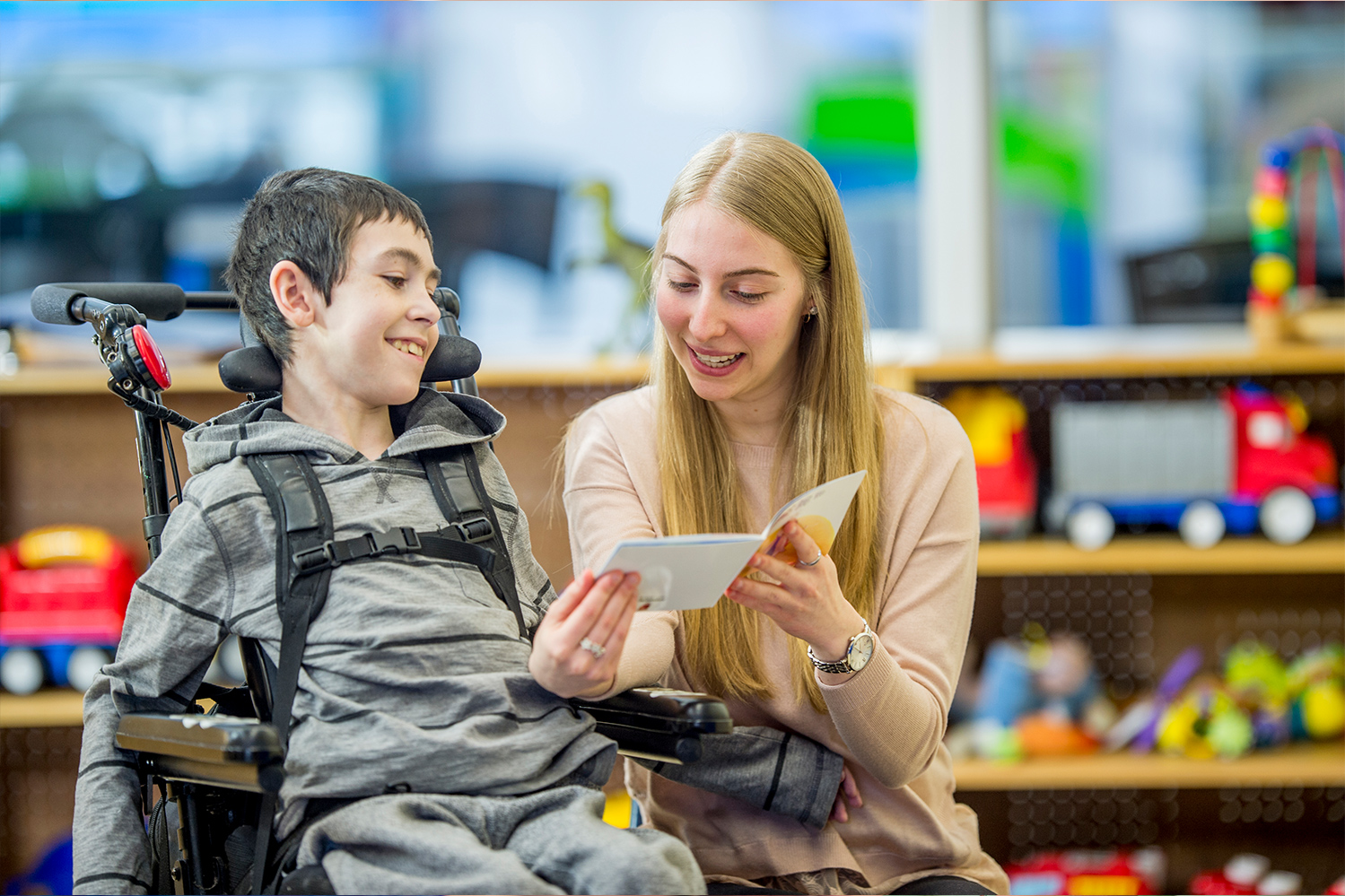
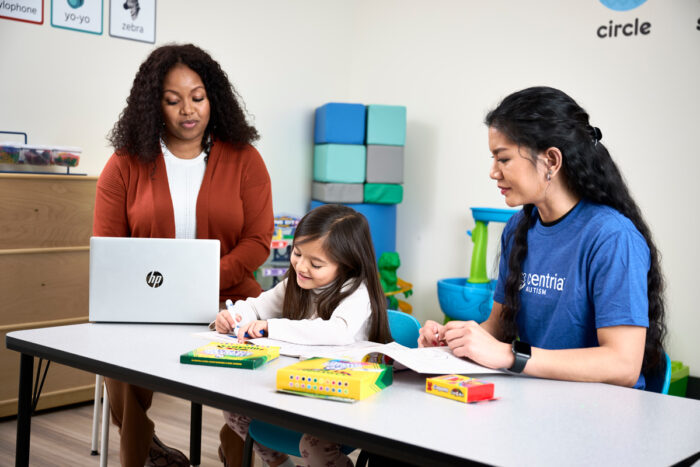
ABA is usually done one-on-one with a professional called a Behavior Technician, who carefully tracks what skills your child is learning and what behaviors they are working on. ABA typically targets the core deficits of Autism, including maintaining and building relationships, social-emotional reciprocity, communication and activities of daily living skills, as well as the reduction of high-intensity and dangerous behaviors.
The therapy is overseen by a Board Certified Behavior Analyst who monitors the therapy and makes data-informed decisions to ensure progress is continuously made. When your child starts therapy, a plan is created that is unique to them and their needs. The treatment team then is constantly checking how they’re doing to make sure the therapy is working well.
The learning in ABA is structured, and positive reinforcement is used to encourage desired behaviors. ABA may take place in home or be center-based and may target community integration.
What Does Preschool Entail?
Preschool is a group early educational setting for the broad development of children between the ages of 2 and 5 and is designed to prepare them for structured learning activities typical of an education setting. It is not for intensive, targeted behavioral intervention. Preschool focuses on socialization and play, and serves as an introduction to routine development and early academics.
Preschool curriculum can vary drastically and range from mostly play-based to heavily structured academics. There is a focus on teaching cognitive, social, emotional, and educational skills through lessons and group activities.
The ratio of adults to children vary amongst programs, student age, school districts, and states; however, there is typically a ratio of 8–12 students for every teacher. Prerequisites for preschools also vary but some may include being toilet trained, willingness to play and interact with peers, having the ability to communicate needs and attend, as well as the ability to follow simple instructions.
Which Pathway is Best for Your Child?
The choice is ultimately up to the parent and depends on the child’s individual needs and what the parent deems is best. The decision should be made after careful consideration of which environment would best suit the individual needs of the child. Having a thorough understanding of the expectations and outcomes of the child in both settings will assist with determining which type of program will best suit the child’s needs.
Whichever pathway is decided, frequent communication with specialists to check for continued progress and growth of the development of the child is recommended. Ultimately, the most effective path is the one carefully chosen based on your child’s unique needs and informed by ongoing, collaborative communication with your child’s specialists.
About the Author
Tara Weber, MA, BCBA, LBA is a Director of Clinical Services for Centria Autism at the Woodhaven Center in Michigan. She has a financial and teaching background and holds a Masters in Early Childhood Education from Eastern MI University. Tara initiated her career in the field of ABA in 2016 with Centria Healthcare and went to the University of North Texas to study ABA at a graduate level.