


When families begin their journey with Applied Behavior Analysis (ABA) therapy, one of the first decisions they face is the setting: home-based or center-based services? We’ll walk you through a typical day in each ABA therapy setting.
Setting the Scene: Home as the Learning Environment
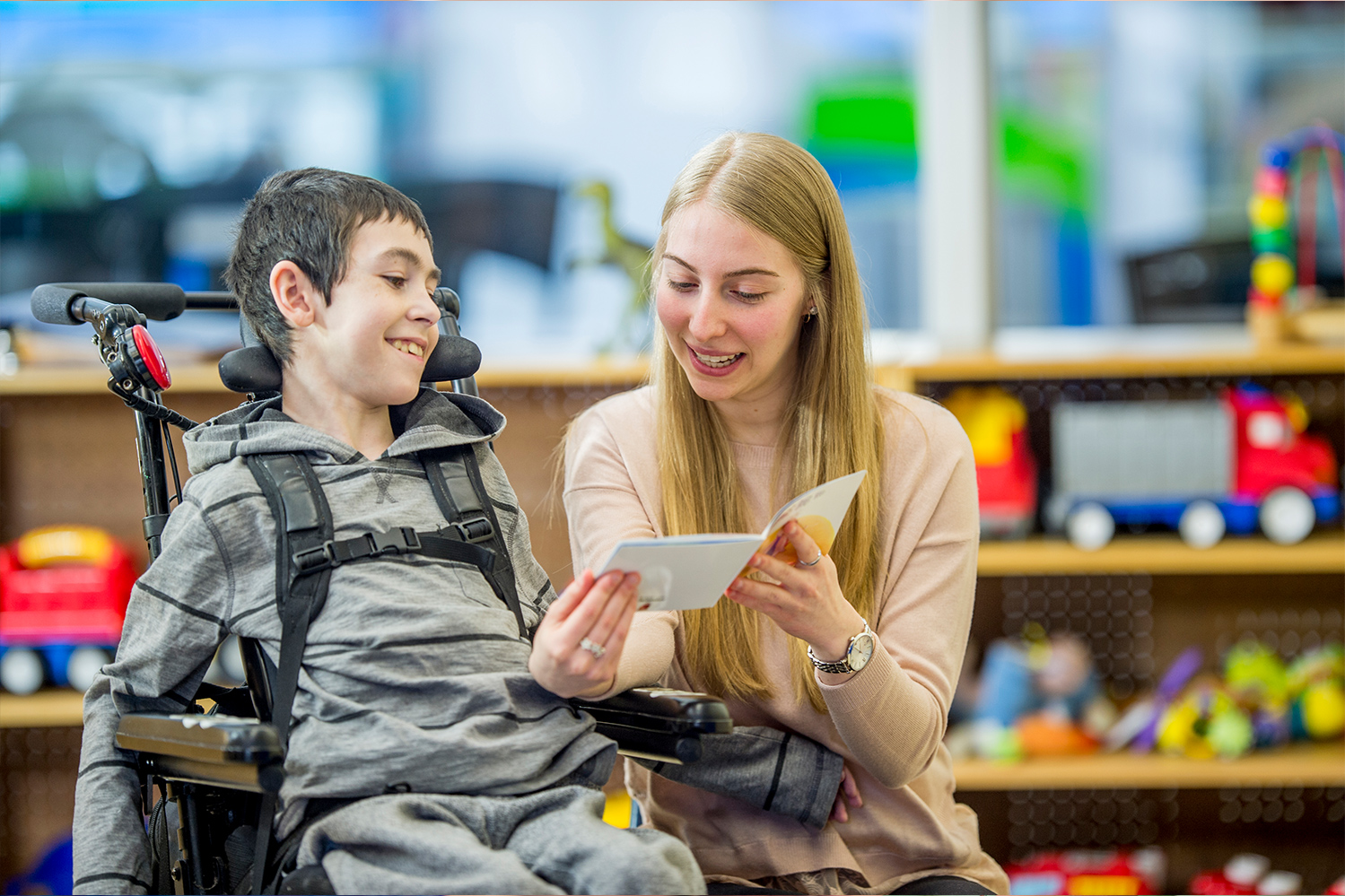
Home ABA sessions are designed to blend seamlessly into a child’s daily life. Therapy doesn’t happen in a bubble—it happens in the living room, kitchen, backyard, or wherever learning naturally fits in. The beauty of home-based ABA is that it allows for real-time skill-building in the places where the child spends most of their time.
A Typical Day in Home-Based ABA Therapy
- Behavior Technician Arrival & Check-In
Behavior technicians usually arrive at a consistent time. The session often starts with a brief chat with the child’s caregiver to review goals, updates, or any recent behaviors. This helps keep everyone aligned. - Therapeutic Rapport
Especially early on, the behavior technician will spend time “pairing”—engaging in play and fun activities to build trust and rapport with the child. This lays the foundation for effective teaching. - Structured Learning Time
Next comes skill acquisition. Using techniques like discrete trial training or natural environment teaching, therapists work on communication, social, or self-help goals tailored to the child’s treatment plan. - Play & Generalization
Learning doesn’t stop at the table. Many skills are practiced during play or daily routines—putting away toys, asking for a snack, or building conversation skills while playing a game together. - Behavior Support & Data Collection
Behavior therapists track each child’s progress in real-time using detailed data collection systems. If interfering behaviors arise, the behavior technician will implement consistent, individualized behavior support strategies. - Parent Involvement
Parents may be asked to participate in certain activities, observe sessions, or practice skills with guidance. This helps ensure consistency and empowers caregivers as active participants in their child’s growth. - Session Wrap-Up & Debrief
At the end of the session, the therapist will review progress, share data highlights, and discuss any concerns or suggestions with the caregiver.
Now, let’s step into the more structured world of center-based ABA therapy, where routines, peer interaction, and a collaborative team approach shape the day.
Whether you’re considering center-based therapy or just curious about what ABA in that environment looks like, here’s what you can expect from a typical day at one of our centers.
Center-Based Therapy: Structured, Yet Personalized
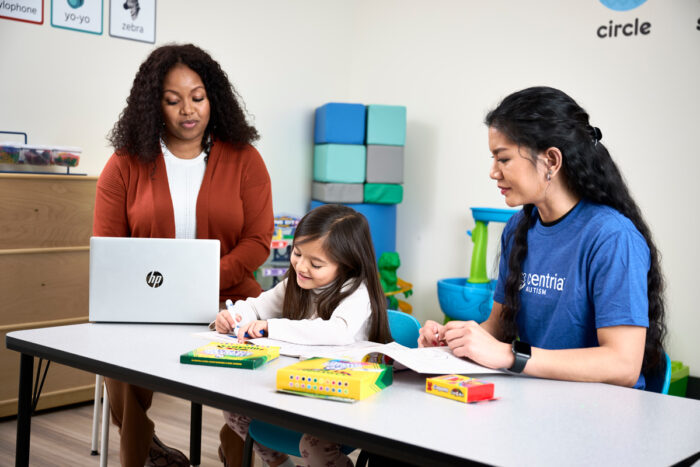
Center-based ABA sessions typically follow a consistent daily routine, but that doesn’t mean a one-size-fits-all approach. Each child has a customized treatment plan designed around their individual needs, goals, and developmental level—delivered in a controlled, resource-rich setting.
A Typical Day in Center-Based ABA Therapy
- Drop-Off & Warm-Up
The day begins with check-in and warm-up activities, such as free play or simple tasks. This helps ease the child into the therapy environment and transition from home to center. - One-on-One Therapy Time
A large portion of the day is spent working one-on-one with a behavior technician. Structured learning sessions focus on skill acquisition, including communication, social skills, play, academic readiness, or daily living skills—depending on the child’s goals. - Peer Interaction & Social Groups
Centers offer unique opportunities for natural peer interaction. Group activities, parallel play, or structured peer games allow therapists to coach social skills in real time—like sharing, turn-taking, or joint attention. - Generalization Opportunities
Children practice skills across different rooms or settings in the center to help generalize what they’ve learned. For example, a child may practice following instructions in the therapy room and again in a group snack area. - Behavior Support & Data Tracking
Behavior technicians track each child’s progress in real-time using detailed data collection systems. If interfering behaviors arise, the behavior technician will implement consistent, individualized behavior support strategies. - Lunch, Breaks, and Self-Care Practice
Centers often incorporate routines like lunch, snack time, toileting, and rest periods. These are key opportunities for practicing independence and self-care routines in a supported environment. - Team Collaboration
Behind the scenes, therapists and BCBAs (Board Certified Behavior Analysts) are reviewing data, updating goals, and coordinating care. Parents receive regular updates and may be invited for family collaboration. - Wrap-Up & Pick-Up
The day ends with a summary of progress and a hand-off to the caregiver.
Which Setting is Right for Your Child?
Both home and center-based ABA offer powerful benefits. The best fit often depends on your child’s needs, family schedule, and long-term goals.
If you’re unsure, speak with our team! They can guide you based on developmental level, behavior needs, and where your child is most likely to thrive.
Fill out the form here to get started.
About the Author
Courtney Czarniecki has been a Board Certified Behavior Analyst for seven years. She received her Master’s Degree in Applied Behavior Analysis from Western Michigan University. She is the Area Director of Clinical Services for the Oregon and California markets at Centria. Courtney is passionate about empowering clients and their families to develop socially meaningful skills, with a strong emphasis on assent based care and collaborative decision making. Courtney now lives in Oregon and enjoys hiking in the PNW with her husband, daughter, and dog!